
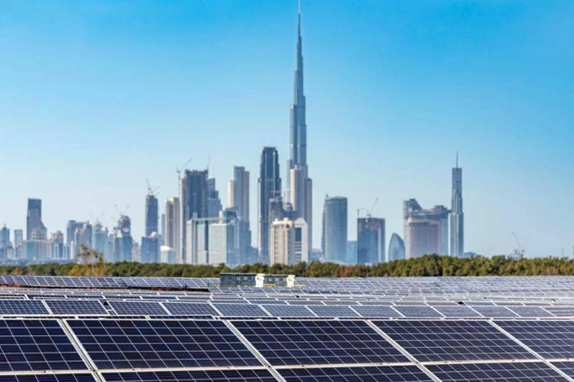
The UAE ranked first in the Arab world and 49th globally on the World Economic Forum's 2026 Energy Transition Index, scoring 59.1 points on the overall index, which measures the performance of national energy systems and countries' readiness to transition to more sustainable, equitable, and secure energy systems.
The report indicated that the UAE was among the top countries globally in the Energy Equity Index, which measures the availability of affordable and reliable energy for consumers. The report also ranked the UAE among the top five countries globally in this area, alongside Bahrain, Oman, Qatar, and the United States.
The report, prepared by the Forum in collaboration with Accenture, explained that global progress in the energy transition is slowing despite global investments in the sector reaching a record high of $3.3 trillion, of which $2.3 trillion is directed towards clean energy. It noted that geopolitical tensions, supply disruptions, and rising global energy demand have become key factors influencing the course of the global energy transition. The index is based on four key pillars: the performance of the energy system in terms of energy security, sustainability, and fairness in access to and cost of energy; and the readiness of the transition environment, which includes policies, infrastructure, investment, innovation, and institutional capacity necessary to support the long-term transition.
Sweden topped the global rankings, followed by Finland in second place, Denmark in third, Estonia in fourth, and Norway in fifth. The report stated that the leading countries in this area are characterized by low energy costs and high levels of access, often supported by abundant domestic supplies. However, it cautioned that maintaining this position in the future will require strengthening infrastructure, investments, and policies that support the transition to ensure continued access to affordable energy as the country moves toward more sustainable systems.
The report also noted that some of these countries still face sustainability challenges, meaning that the affordability gains have not yet fully translated into cleaner and more balanced energy systems. Roberto Bocca, head of the Energy and Materials Centre at the World Economic Forum, said the energy transition is “not regressing, but fragmenting,” emphasizing that energy security, affordability, and operational resilience have become essential elements for maintaining the momentum of the transition in a more volatile economic and geopolitical environment.
The Energy Transition Index is one of the leading global indicators that tracks countries’ ability to balance energy security, sustainability, and cost, while assessing their institutional and investment readiness to continue the transition to a low-emission economy.